Understanding the Power of the Pamphlet in South African History
The seemingly humble pamphlet – a few sheets of printed paper – holds a surprising power in shaping history. In South Africa, pamphlets have played a significant role, from disseminating political propaganda to igniting social movements. This article explores the pamfletten betekenis (meaning of pamphlets), examining their historical context, their impact on society, and the methods for analysing their distribution patterns. What makes these simple leaflets so compelling, and how did they affect public opinion and influence the trajectory of the nation's development?
The Evolution of the Pamphlet: From Manuscript to Mass Production
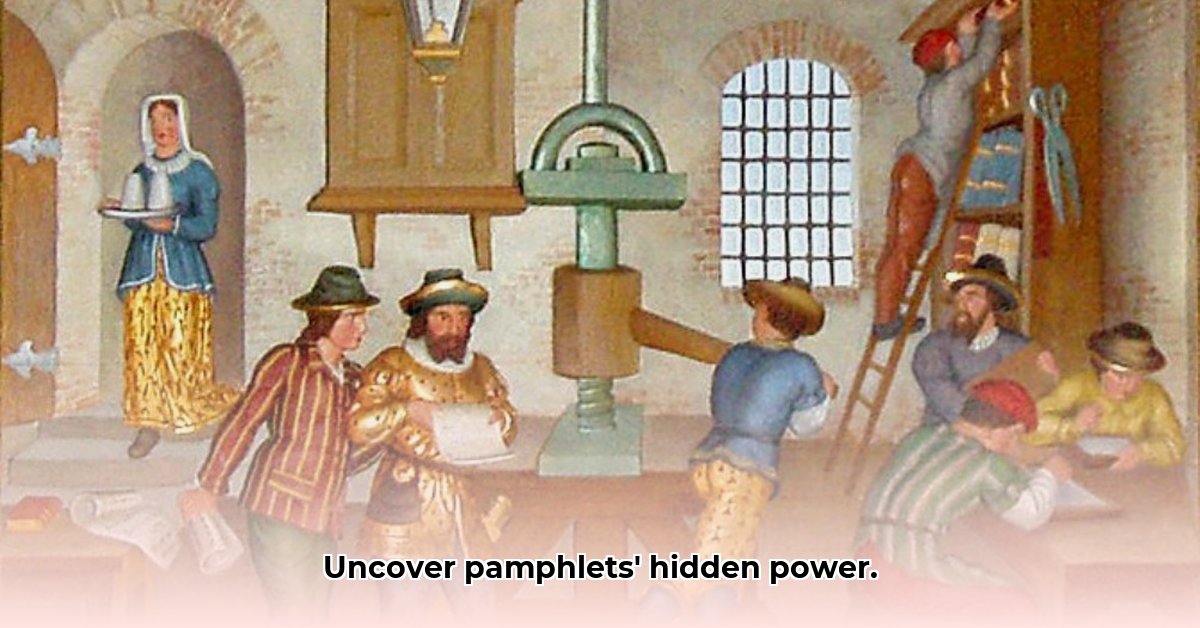
Initially, disseminating information via pamphlet involved the laborious task of hand-copying, limiting its reach. The arrival of the printing press revolutionized this process. Prof. Patricia Hayes, Head of the Department of History at the University of Stellenbosch, notes, "The printing press democratised information dissemination, enabling the rapid and widespread circulation of ideas, previously restricted to the elite. This had profound consequences for social and political movements." Suddenly, thousands of copies could be produced, amplifying the voice of individuals and groups previously marginalised. This technological shift fundamentally altered the power dynamics of information control.
Deciphering the Message: Beyond the Words Themselves
Understanding a pamphlet's meaning requires a multifaceted approach. The pamfletten betekenis extends beyond the literal text. Dr. Thandiwe Mazibuko, a leading scholar of South African print culture from Wits University, states, "The language, tone, imagery, and even the physical attributes of a pamphlet – its paper quality, font, and overall design – contribute to its persuasive power and convey valuable contextual information." A fiery, emotionally charged pamphlet might be intended to incite action, while a more formal, reasoned document may aim at persuasion through logic and evidence. Even the choice of language – Afrikaans, English, or an indigenous language – targeted a specific audience.
How did the choice of font or paper quality reflect on who produced and consumed the pamphlet? This interplay of textual and visual elements shapes the overall impact and meaning.
South Africa’s Struggle Against Apartheid: Pamphlets as Weapons of Resistance
During the anti-apartheid struggle, pamphlets served as vital tools for resistance. They functioned as a clandestine communication network for underground movements, facilitating the organization of protests, the dissemination of information about state oppression, and the maintenance of morale amongst activists. Dr. Sipho Dlamini, Emeritus Professor of Political Science at Rhodes University, maintains, "Pamphlets were crucial in fostering a sense of unity and collective action, bypassing the state's control over mainstream media." Their effectiveness lay in their ability to bypass censorship and connect individuals across geographical and social boundaries. This illustrates the profound impact of pamphlets in shaping social movements and challenging oppressive regimes.
Visual Communication: The Power of Design
The visual aspects of a pamphlet are equally important. The layout, font, and illustrations often enhanced the message's impact. A crudely printed pamphlet might convey a sense of urgency and grassroots activism, while a more polished production suggested a level of institutional backing or organization. These visual cues provided additional layers of meaning, enriching the understanding of the pamfletten betekenis.
A Diverse Range of Themes: From Politics to Poetry
Pamphlets encompassed a vast spectrum of themes, far surpassing political discourse. Religious tracts, social commentaries, and even artistic manifestos all found expression in this medium. The versatility of the pamphlet solidified its place as a powerful tool for disseminating information and shaping public opinion across numerous fields. This diversity underscores the multifaceted nature of the pamfletten betekenis.
Pamphlets in the Digital Age: A Continuing Legacy
Despite the rise of digital media, the principles of effective pamphlet design and dissemination remain pertinent. They remind us of the importance of clear, concise, and persuasive communication, tailored to the specific audience. The lessons learned from analysing historical pamphlets offer valuable insights for contemporary communication strategies. The power of the pamphlet, therefore, remains a continuing legacy.
Three Pivotal Points:
- The printing press revolutionized pamphlet distribution, leading to widespread dissemination of information and influencing the power dynamics of social and political movements.
- The 'pamfletten betekenis' is not solely defined by its textual content; visual elements, language, and distribution methods play a crucial role in conveying its message and influencing its effect.
- Understanding pamphlet distribution patterns, along with considering the historical, social, and political context, allows for a deeper comprehension of their impact throughout South African history.
How to Analyze Pamphlet Distribution Patterns Across Different Historical Periods
Analyzing pamphlet distribution patterns requires a systematic approach combining historical research, geographical analysis, and content analysis.
1. Contextual Understanding: Begin by researching the socio-political climate during the period of the pamphlets’ creation. Consider the prevailing political structures, social norms, and economic conditions.
2. Mapping Distribution: Identify the geographical locations where the pamphlets were discovered (archives, private collections, etc.). Analyzing the language used—Afrikaans, English, or indigenous languages—reveals the target audience. Examine the printing techniques and materials to understand the resources available to the pamphlet's creators.
3. Quantitative Analysis: Count the number of pamphlets found in different locations, identifying patterns of distribution intensity. Use Geographical Information Systems (GIS) to map these locations, overlaying them with historical maps to identify correlations with population density, infrastructure, or political boundaries.
4. Content Analysis: Examine the pamphlets' texts, identifying themes, tones, and key messages. Note the use of persuasive techniques, and consider the pamphlet's intended impact on its target audience.
5. Addressing Biases: Acknowledging the limitations of the sources – survival bias, potential misinformation, and the creator's biases – is crucial for accurate interpretation.
These steps provide a robust framework for a comprehensive analysis of pamphlet distribution patterns. The understanding gained from this process allows for a more accurate appraisal of the leaflets' role in influencing public opinion and shaping historical events.